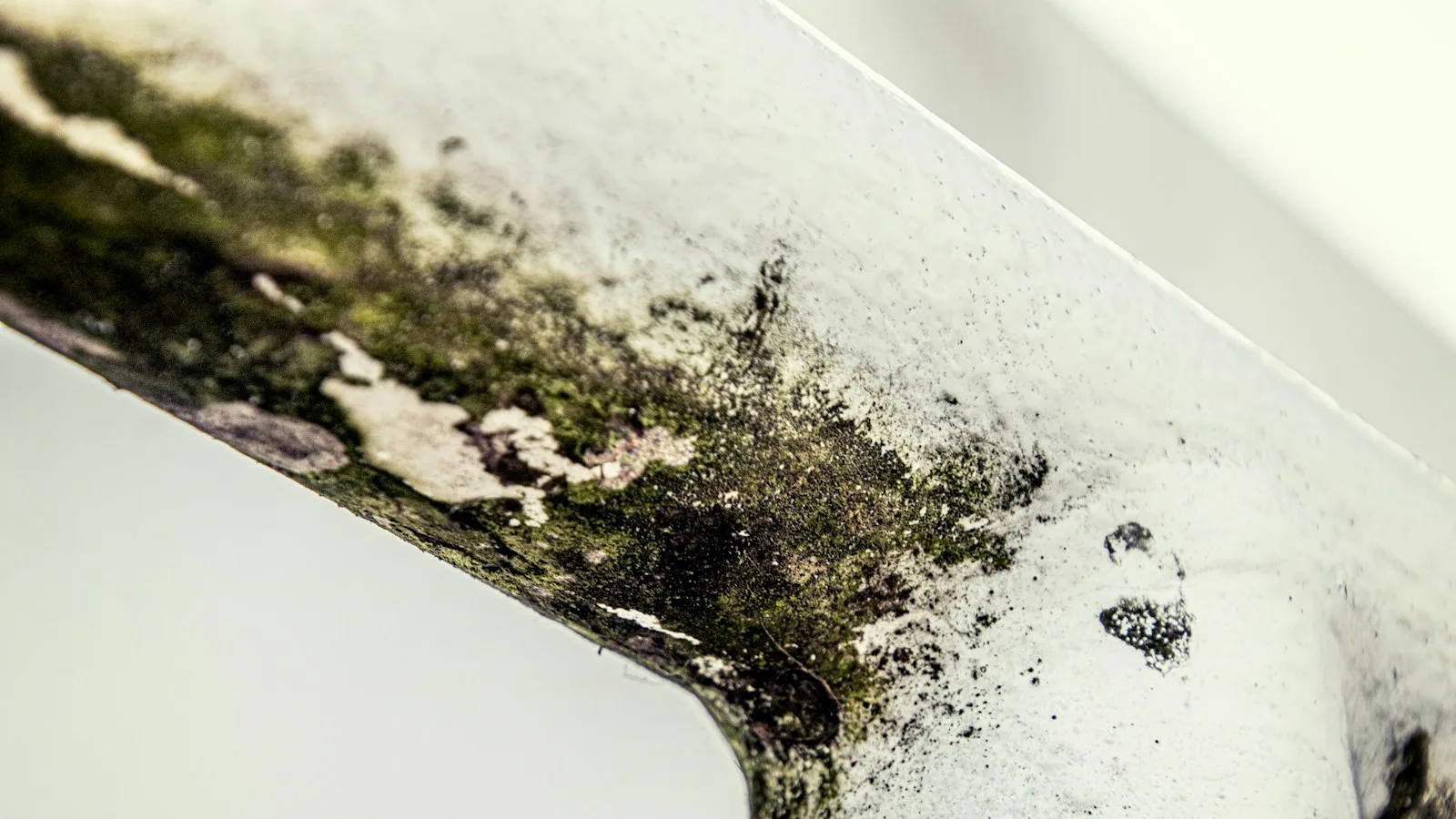
Mold remediation cost is driven by three things: how much area is affected, where it is growing and whether the moisture that fed it has been fixed. This guide shows what homeowners typically pay, what a professional crew does on a mold remediation job, and how to tell when a small patch is safe to handle yourself.
Short answer: Most homeowners pay $1,200 to $3,750 for professional mold remediation, about $2,300 on average. Contractors usually price by area, at $10 to $25 per square foot, so a small bathroom patch can cost a few hundred dollars while whole-house jobs reach $10,000 to $30,000.
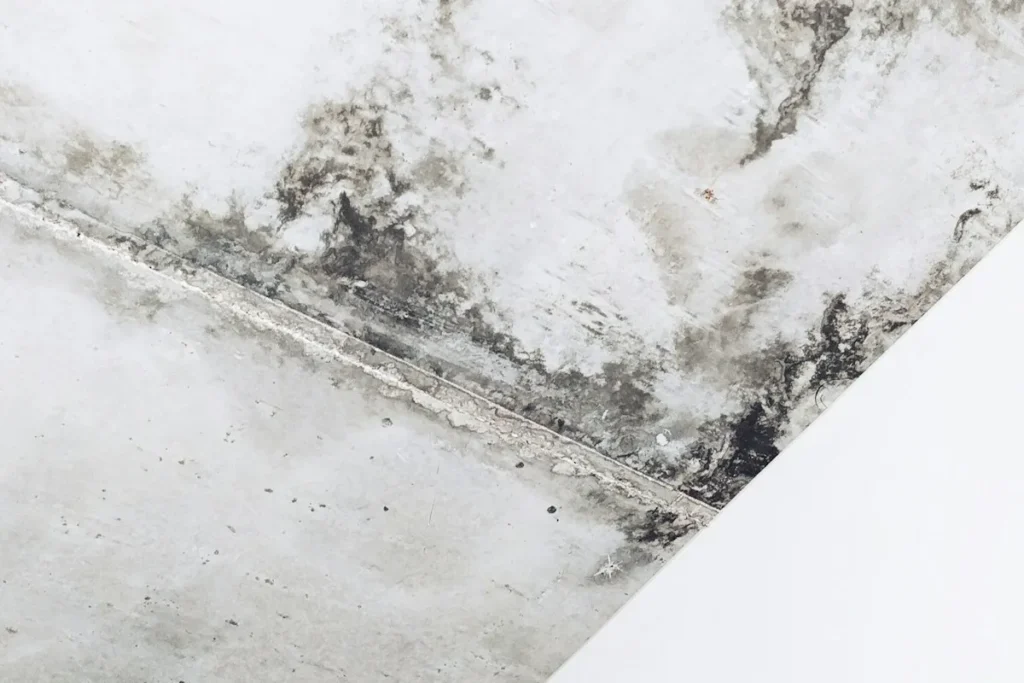
In this guide
Mold remediation cost at a glance
| Affected area | Typical cost |
|---|---|
| 50 to 100 sq ft | $500 to $2,500 |
| 100 to 200 sq ft | $1,000 to $5,000 |
| 200 to 400 sq ft | $2,000 to $10,000 |
| Per square foot | $10 to $25 |
| Average job | about $2,300 |
Remediation usually covers containment, removal and cleaning. Replacing drywall, insulation or flooring afterward is often billed separately, so ask what each quote includes.
Talk to a local pro
Water in your home, or mold you can see?
Call to be connected with an independent water damage and mold restoration company that serves your area. Calls are answered by the provider or their scheduling team.
For homeowners who need new service. Have ready: your address, where the water is coming from, which rooms are affected, and your insurance company.
What changes the price
- Size of the area. With per-square-foot pricing, a problem that doubles in size roughly doubles in cost.
- Location. Attics and crawlspaces cost more to work in than an open wall. Mold inside ductwork adds duct cleaning.
- The moisture source. Mold returns if the leak or humidity problem is not fixed, so expect plumbing, roof or ventilation work on top of the cleanup.
- Materials affected. Porous materials like drywall, carpet and ceiling tiles usually have to be cut out and replaced rather than cleaned.
- Testing. Air or surface testing before and after the job adds cost. It is most useful when you cannot see where the mold is.
Can you clean mold yourself?
The EPA’s rule of thumb: if the moldy area is smaller than about 10 square feet, roughly a 3 ft by 3 ft patch, you can usually clean it yourself. For larger areas, mold caused by sewage or other contaminated water, or mold in your heating and cooling system, hire a professional with mold cleanup experience.
If you do it yourself, follow the EPA’s basics:
- Fix the leak or moisture problem first, then dry everything completely.
- Scrub hard surfaces with detergent and water, then dry them.
- Throw out porous materials, such as carpet and ceiling tiles, that stay moldy.
- Wear an N-95 respirator, gloves and goggles without vent holes.
- Do not paint or caulk over mold, and never mix bleach with ammonia products.
- Do not run your heating or cooling system if you suspect mold is in it.
How to compare quotes
- Ask each company to measure the affected area and show you where it is.
- Ask how they will contain the area to keep spores out of the rest of the house.
- Get the scope in writing: removal, cleaning, disposal, drying and any rebuilding.
- Ask how they will confirm the job is done. The EPA’s test is no visible mold, no moldy smell, and no new water damage at a follow-up visit.
- Check that the company has mold cleanup experience and references.
Mold remediation cost by size
Most companies price mold remediation by the square foot of affected material. Applying the $10 to $25 per square foot range above to a few common sizes gives a useful rough estimate. Small jobs often hit a minimum charge, and hard-to-reach spaces such as crawl spaces and attics cost more per foot.
| Affected area | Typical example | Estimated mold remediation cost |
|---|---|---|
| 10 sq ft | A patch on a bathroom ceiling | About $100 to $250, though minimum charges often apply |
| 50 sq ft | Part of a basement wall | About $500 to $1,250 |
| 100 sq ft | A closet or the area behind a leaking appliance | About $1,000 to $2,500 |
| 300 sq ft | A finished basement room or attic section | About $3,000 to $7,500 |
| 1,000 sq ft and up | Several rooms, a crawl space or a whole level | About $10,000 and up |
These numbers cover removal and cleaning. Rebuilding drywall, replacing flooring and fixing the leak that caused the problem are usually separate costs.
The EPA 10 square foot rule for mold remediation
The EPA says that if the moldy area is smaller than about 10 square feet, roughly a 3 foot by 3 foot patch, most homeowners can clean it themselves by following the agency’s guidance. For larger areas, the EPA points to its guidance for professionals, which covers containment and protective equipment. Call a professional for mold remediation, whatever the size, when:
- The mold is in your heating, ventilation or air conditioning system or ducts.
- The water that caused it was sewage or flood water.
- You see mold after major water damage, such as a burst pipe or a flooded basement.
- Someone in the home has asthma, allergies, a weakened immune system or other health concerns.
- You smell mold but cannot find it, which often means it is inside walls, under floors or above ceilings.
What happens during professional mold remediation
- Inspection and moisture source. The crew finds the extent of the growth and the moisture causing it, often with a moisture meter or thermal camera.
- Containment. Plastic sheeting and zipper doors seal the work area, and negative air machines keep spores from drifting into the rest of the house.
- Air filtration. HEPA air scrubbers run during the job to capture airborne spores.
- Removal. Porous materials with mold, such as drywall, insulation and carpet, are bagged and removed.
- Cleaning. Framing and hard surfaces are scrubbed and HEPA vacuumed. Some crews apply a sealant or antimicrobial where appropriate.
- Drying. Dehumidifiers bring the area back to normal moisture levels before anything is closed up.
- Verification. A visual check, moisture readings and sometimes clearance testing confirm the job is complete.
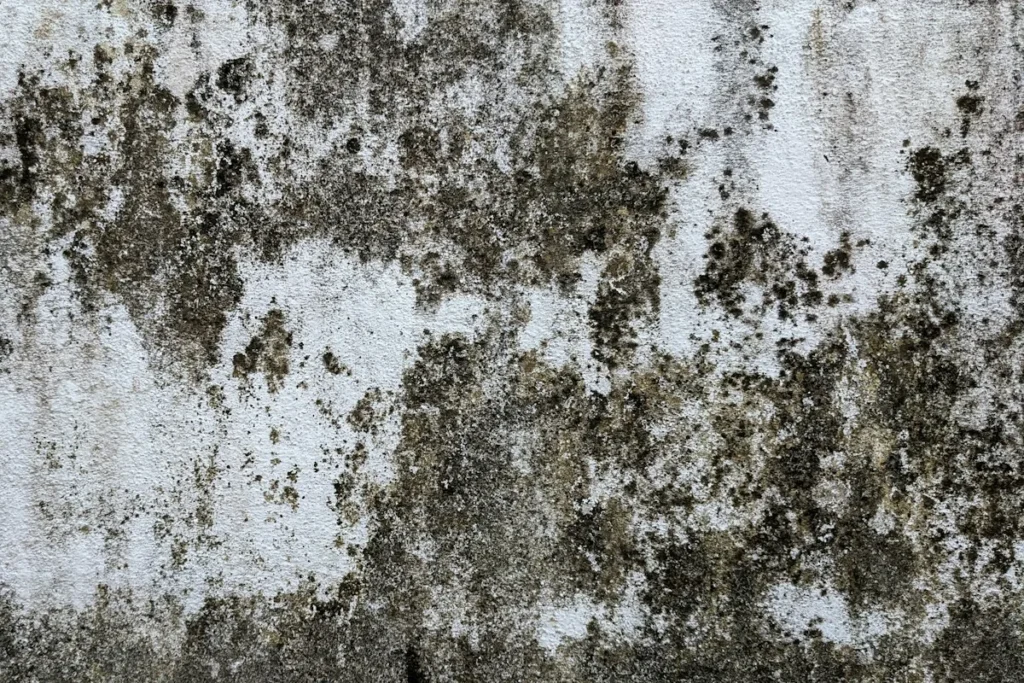
A typical single-room mold remediation takes one to three days. Larger jobs and those that include rebuilding take longer.
Mold testing and inspection cost
If you can see the mold, you usually do not need a test to know it has to go. The EPA notes that sampling is often unnecessary when mold is visible. Testing is more useful when you smell mold but cannot find it, when you need documentation for a landlord, buyer or insurer, or after remediation to confirm the area is clean. If you do hire a tester, many homeowners prefer an inspector who does not also sell the remediation, so the results are independent.
How to clean a small mold patch safely
- Fix the water source first, or the mold will return.
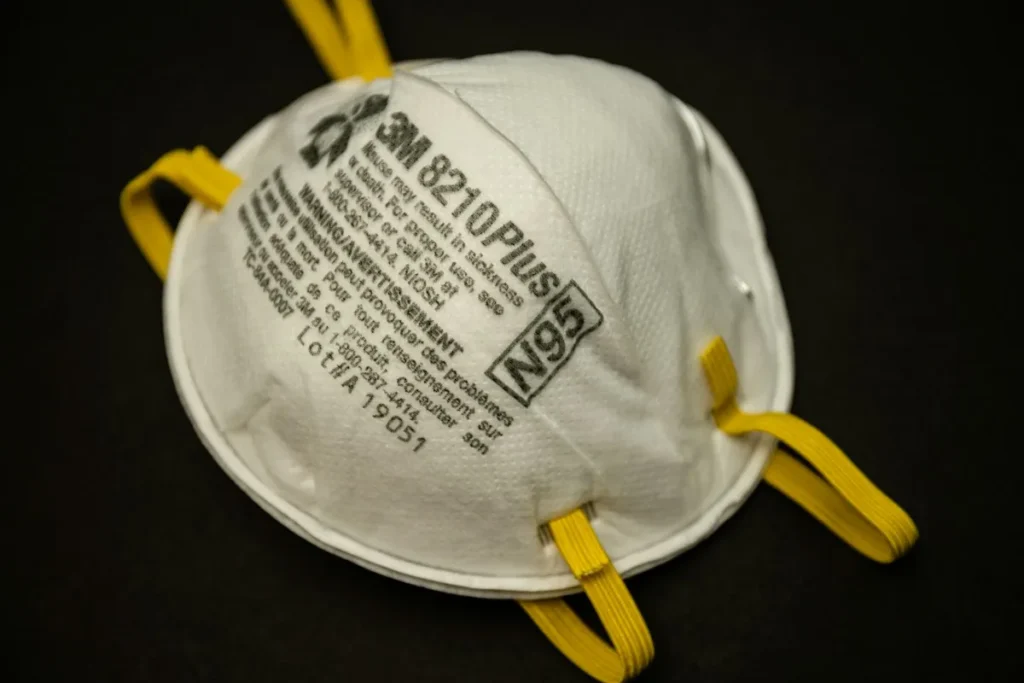
- Wear an N95 respirator, long rubber gloves and goggles without vents.
- Scrub hard surfaces with detergent and water, then dry them completely.
- Bag and discard porous items with mold, such as ceiling tiles, carpet or drywall that cannot be cleaned.
- Never mix bleach with ammonia or other cleaners, which can produce toxic fumes. The EPA does not recommend bleach as a routine way to clean up mold.
- Keep the area dry and watch it for a few weeks. If the mold comes back, the moisture problem is not solved.
Signs your mold remediation needs a pro
- Mold keeps returning after you clean it.
- Drywall is soft, stained or crumbling, or paint is bubbling.
- There is a persistent musty smell, especially when the heat or air conditioning runs.
- The growth covers more than about 10 square feet or is spread across several rooms.
- The mold followed a sewage backup, flood or long hidden leak.
How to keep mold from coming back
- Keep indoor humidity between 30 and 50 percent if you can. A small hygrometer shows the level, and a dehumidifier helps in basements.
- Run bathroom and kitchen exhaust fans during and after showers and cooking.
- Fix leaks within a day or two, and dry wet materials within 24 to 48 hours.
- Keep gutters clear and slope soil away from the foundation. See our guide to gutters overflowing.
- Insulate cold water pipes and cold exterior walls where condensation forms.
- After any water event, read our guide to water damage restoration so drying starts right away.
Mold remediation cost by location
Where the mold grows changes how much prep, containment and access work the crew needs, which is why two jobs of the same size can be priced very differently.
| Location | Why it costs what it does |
|---|---|
| Bathroom | Usually small and easy to contain. Costs rise if mold has spread behind tile or into the subfloor around a leaking toilet or tub. |
| Basement | Often larger areas on drywall, framing and stored items. Fixing the moisture source, such as a foundation leak or poor drainage, adds to the total. |
| Attic | Mold on roof sheathing is common after roof leaks or poor ventilation. Tight spaces and heat slow the work, and ventilation upgrades may be recommended. |
| Crawl space | Hard to access and often tied to standing water or high humidity. Many crawl space mold remediation jobs include a vapor barrier or dehumidifier. |
| HVAC system and ducts | Requires specialized cleaning and sometimes replacement of duct sections or insulation. Running a contaminated system can spread spores through the house. |
| Inside walls | Requires opening drywall to reach the growth, then rebuilding after mold remediation is complete. |
Mold remediation vs mold removal
You will see both terms in quotes and ads. Mold removal usually means cleaning off or tearing out the visible growth. Mold remediation is the full process: finding and fixing the moisture source, containing the area, removing contaminated material, cleaning, drying and confirming the job is complete. Mold spores are present almost everywhere outdoors and indoors, so the goal of mold remediation is to bring levels back to normal and stop active growth, not to make a house completely free of spores. Be wary of any company that promises that.
Is mold remediation worth the cost?
For anything larger than a small surface patch, yes. The CDC notes that mold exposure can cause a stuffy nose, wheezing and red or itchy eyes or skin, and that people with allergies, asthma or weakened immune systems can react more strongly. Mold also keeps damaging what it grows on: drywall crumbles, wood framing and subfloors weaken and finishes stain. If you plan to sell, a known mold problem can come up during the buyer’s inspection, and many states require sellers to disclose known defects. Documented professional mold remediation, with the moisture source fixed, is far easier to explain than an untreated problem.
Questions to ask a mold remediation company
- What caused the mold, and will you fix the moisture source or do I need another contractor?
- How will you contain the work area and protect the rest of the house?
- Which materials will you remove, and which will you clean?
- Do you use HEPA air scrubbers and HEPA vacuums during the job?
- How will you confirm the job is complete, and is clearance testing included?
- Is rebuilding included in the price?
- Do you carry liability insurance, and do you hold any state license required for mold work where I live?
Get at least three written quotes and compare them line by line. A much lower price often means less containment or less material removed, not a better deal. Our guide on how to hire a contractor lists more checks before you sign.
How to prepare your home for mold remediation
A little preparation shortens the job and protects your belongings. Before the crew arrives:
- Move furniture, rugs and stored boxes out of the work area if they are not moldy, and keep them in a dry room.
- Bag clothing, bedding or soft items from the affected room so they can be cleaned or inspected separately.
- Turn off the heating and cooling system if the crew asks, so air does not carry spores to other rooms.
- Clear a path from the work area to an outside door, and tell the crew about pets, children and anyone with breathing problems.
- Photograph the area and keep your quote, invoices and any test results together for your records or an insurance claim.
After mold remediation, wait for the crew to confirm the area is dry and clean before painting, installing new drywall or bringing belongings back in.
Mold remediation FAQ
Does homeowners insurance cover mold remediation?
Sometimes, when the mold resulted from a covered event such as a burst pipe. Mold from long-term humidity or a slow leak is usually excluded, and many policies cap mold coverage, so check your policy wording.
How fast does mold grow after water damage?
The EPA advises drying water-damaged materials within 24 to 48 hours to prevent mold growth. That is why fast drying matters after any leak.
How long does mold remediation take?
Most single-room jobs take one to three days. Large areas, crawl spaces and jobs that include rebuilding can take a week or more.
Can I stay home during mold remediation?
Often yes, when the work area is properly contained and under negative air. People with asthma, allergies or weakened immune systems may want to stay elsewhere until the job is finished.
Does bleach kill mold?
Bleach can lighten mold on hard, non-porous surfaces, but it does not fix the moisture problem and it does not reach mold growing inside porous materials. Detergent and water followed by thorough drying is the approach the EPA describes for small cleanups.
Should I get a mold test before remediation?
Not usually if the mold is visible. Testing helps when the source is hidden or when you need documentation, and a clearance test after remediation can confirm the job is complete.