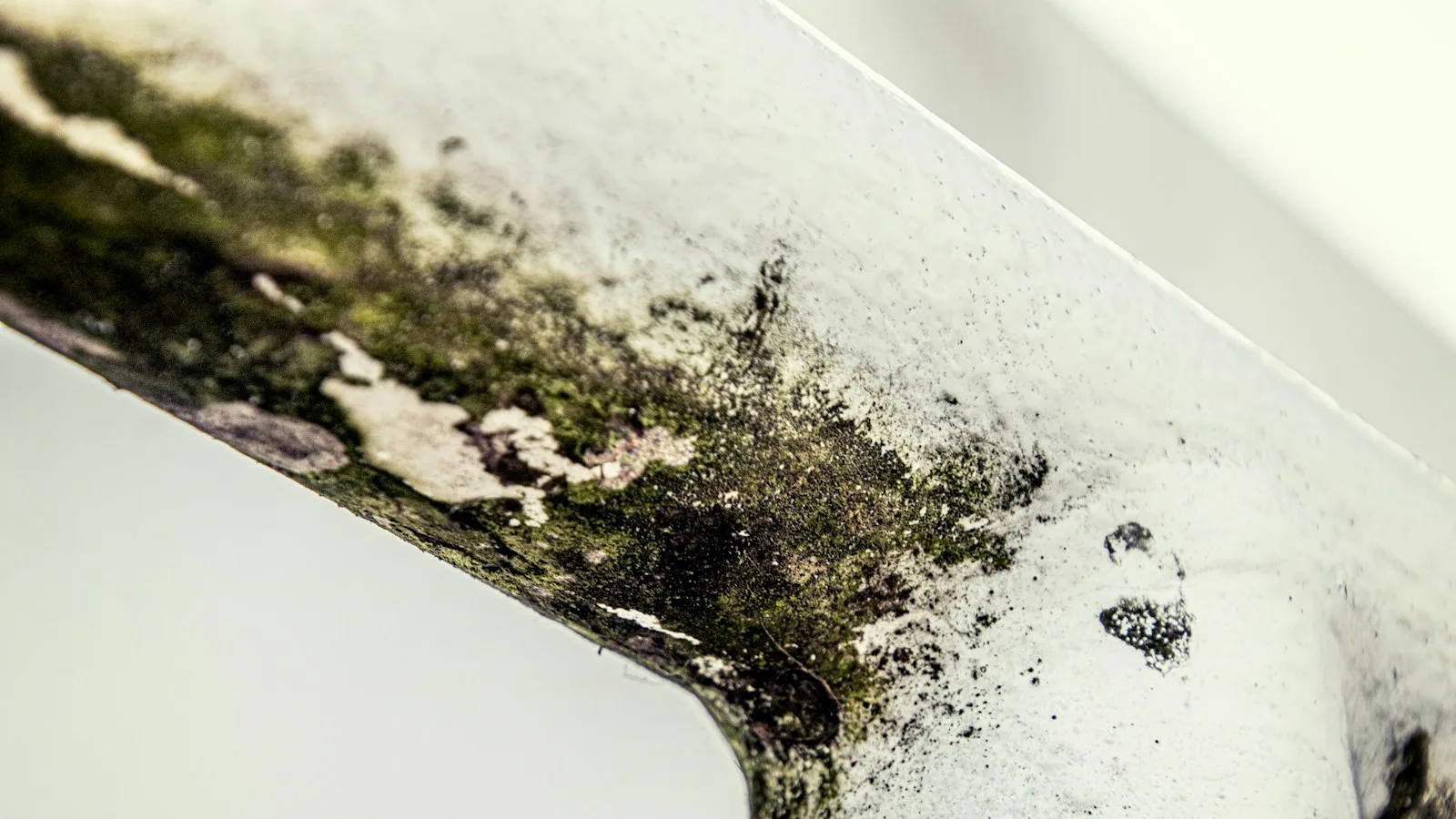
Short answer: Most homeowners pay $1,200 to $3,750 for professional mold remediation, about $2,300 on average. Contractors usually price by area, at $10 to $25 per square foot, so a small bathroom patch can cost a few hundred dollars while whole-house jobs reach $10,000 to $30,000.
Mold remediation cost at a glance
| Affected area | Typical cost |
|---|---|
| 50 to 100 sq ft | $500 to $2,500 |
| 100 to 200 sq ft | $1,000 to $5,000 |
| 200 to 400 sq ft | $2,000 to $10,000 |
| Per square foot | $10 to $25 |
| Average job | about $2,300 |
Remediation usually covers containment, removal and cleaning. Replacing drywall, insulation or flooring afterward is often billed separately, so ask what each quote includes.
Talk to a local pro
Water in your home, or mold you can see?
Call to be connected with an independent water damage and mold restoration company that serves your area. Calls are answered by the provider or their scheduling team.
For homeowners who need new service. Have ready: your address, where the water is coming from, which rooms are affected, and your insurance company.
What changes the price
- Size of the area. With per-square-foot pricing, a problem that doubles in size roughly doubles in cost.
- Location. Attics and crawlspaces cost more to work in than an open wall. Mold inside ductwork adds duct cleaning.
- The moisture source. Mold returns if the leak or humidity problem is not fixed, so expect plumbing, roof or ventilation work on top of the cleanup.
- Materials affected. Porous materials like drywall, carpet and ceiling tiles usually have to be cut out and replaced rather than cleaned.
- Testing. Air or surface testing before and after the job adds cost. It is most useful when you cannot see where the mold is.
Can you clean mold yourself?
The EPA’s rule of thumb: if the moldy area is smaller than about 10 square feet, roughly a 3 ft by 3 ft patch, you can usually clean it yourself. For larger areas, mold caused by sewage or other contaminated water, or mold in your heating and cooling system, hire a professional with mold cleanup experience.
If you do it yourself, follow the EPA’s basics:
- Fix the leak or moisture problem first, then dry everything completely.
- Scrub hard surfaces with detergent and water, then dry them.
- Throw out porous materials, such as carpet and ceiling tiles, that stay moldy.
- Wear an N-95 respirator, gloves and goggles without vent holes.
- Do not paint or caulk over mold, and never mix bleach with ammonia products.
- Do not run your heating or cooling system if you suspect mold is in it.
How to compare quotes
- Ask each company to measure the affected area and show you where it is.
- Ask how they will contain the area to keep spores out of the rest of the house.
- Get the scope in writing: removal, cleaning, disposal, drying and any rebuilding.
- Ask how they will confirm the job is done. The EPA’s test is no visible mold, no moldy smell, and no new water damage at a follow-up visit.
- Check that the company has mold cleanup experience and references.
Frequently asked questions
Does homeowners insurance cover mold remediation?
Sometimes, when the mold resulted from a covered event such as a burst pipe. Mold from long-term humidity or a slow leak is usually excluded, and many policies cap mold coverage, so check your policy wording.
How fast does mold grow after water damage?
The EPA advises drying water-damaged materials within 24 to 48 hours to prevent mold growth. That is why fast drying matters after any leak.